
News
LOPE Celebrates Nigerian Teachers, Calls for Better Welfare and Support

The League of Online Publishers and Editors (LOPE) has celebrated teachers across Nigeria and around the world on World Teachers’ Day, calling for better welfare for educators and development in the education sector in Nigeria.
In a statement signed by its Chairman, Favour Benson, in commemoration of World Teachers’ Day, the association said teachers remain central to the development of any nation, noting that they shape the character and prospects of young people.
LOPE praised Nigerian teachers who continue to serve in difficult circumstances, particularly those working in the rural communities where schools face shortages of learning materials, infrastructure, and other basic resources needed to create a conducive learning environment.
The association called on the Federal and state governments to pay more attention to the education sector in Nigeria. This, it said, must include better working conditions for teachers, access to continuous training, adequate teaching resources, and an environment that allows them to perform their duties effectively.
Benson said Nigerian teachers deserve greater recognition for their contribution to national development, urging governments and other stakeholders to make their welfare a priority.
“As we celebrate World Teachers’ Day, LOPE salutes teachers across Nigeria for their dedication and sacrifice despite the challenges they face in the education sector.
“Every strong nation is built on the foundation of quality education, and teachers are at the heart of that process. We cannot expect better educational outcomes while neglecting the people responsible for educating our children,” she opined.
The LOPE Chairman continued that: “Teachers deserve to work in an environment where they are respected, fairly rewarded and given the tools and training required to succeed.”
World Teachers’ Day is celebrated annually on October 5 to honor educators and evaluate the status of the teaching profession worldwide.
The day also highlights issues affecting teachers, including working conditions, professional development, remuneration, recruitment, and retention.
On improving education in Nigeria, LOPE called on the Federal Government, state governments, and relevant education sector authorities to strengthen policies aimed at improving teachers’ welfare and working conditions.
The association called on the government to increase the education budget both at the federal and state levels, expand professional development programmes, provide modern teaching materials, and ensure that schools have adequate facilities for both teachers and students.
Similarly, LOPE called on the Nigerian media to continue giving attention to education-related issues and to highlight the contributions and challenges of teachers through responsible journalism.
About LOPE
The League of Online Publishers and Editors (LOPE) is a national association of digital media professionals, publishers and editors in Nigeria committed to promoting professionalism, responsible journalism, and the growth and development of Nigeria’s online media industry.



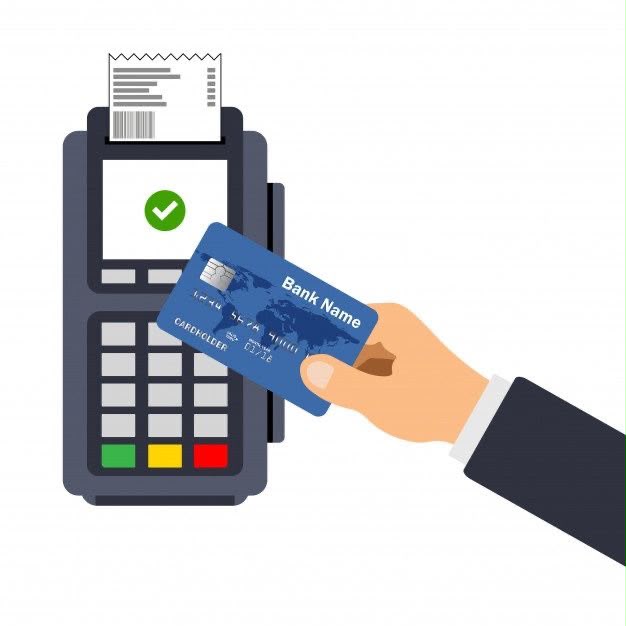
Understanding what happens to your money after a payment is just as important as completing the transaction.
Picture a professional preparing for a trip. The flight must be booked, the hotel needs to be paid for and regular household expenses have not stopped simply because travel is approaching.
There are two cards in the wallet, a debit card and a credit card.
Both cards can be used to make payments, but they affect the cardholder’s finances differently. A debit card draws money directly from the available balance in a linked bank account. A credit card allows the cardholder to borrow within an approved credit limit and repay the amount under agreed terms.
Understanding the difference between a debit card and a credit card is the first step towards choosing the right payment option for every expense.
What is the difference between a debit card and a credit card?
The main difference lies in the source of the money used for a transaction.
When you pay with a debit card, you are spending money already available in your bank account. When you use a credit card, you are accessing an approved borrowing facility that must be repaid.
This distinction affects budgeting, repayment obligations and the overall cost of a purchase. Before selecting either card, consider whether you want to pay immediately from your available funds or repay the amount later under the applicable credit terms.
When should you use a debit card?
A debit card may be suitable for everyday expenses such as groceries, fuel, utility payments, subscriptions and meals.
Because each payment is deducted from the linked account, a debit card creates a direct relationship between spending and the available account balance. This can help customers who prefer to keep routine expenses closely aligned with money they already have.
Fidelity Bank offers debit card options for different payment needs, including Naira and Dollar cards. Customers should select a card based on where they intend to use it, the transaction currency and the applicable terms.
Before making a payment, it is important to confirm that the account has sufficient funds and that the card supports the intended transaction.
When should you consider a credit card?
A credit card can provide financial flexibility when the timing of an expense does not match the timing of available funds.
For example, a traveller may need to pay for a flight or hotel before receiving an expected payment. A credit card can help bridge that timing gap, provided there is a clear and realistic repayment plan.
Before using a credit card, ask three important questions:
Is the purchase necessary?
Can I repay the amount by the due date?
What will happen if the expected funds arrive late?
An available credit limit shows how much the cardholder is permitted to borrow. It does not automatically determine how much the customer can comfortably afford to spend.
How to use a credit card responsibly
Credit-card flexibility works best when it is supported by proper planning.
Before completing a transaction, review the applicable interest rate, fees, repayment date and minimum payment requirement. Paying only the minimum amount may leave an outstanding balance that continues to attract interest in line with the card’s terms.
A responsible credit-card plan should identify the source of repayment, the expected repayment date and the total potential cost of the transaction.
These considerations apply to major expenses and smaller purchases. Several modest transactions can accumulate into a significant outstanding balance if spending is not monitored carefully.
Choosing a card for international travel
When choosing a card for travel, customers should look beyond the payment itself. Currency, card acceptance, travel frequency, repayment capacity and available benefits may all influence the decision.
A debit card allows the traveller to spend from available funds, while a credit card provides access to an approved credit facility. The better option will depend on the traveller’s financial habits, destination and ability to manage repayment.
For customers considering premium cards, the value of travel-related benefits should also be assessed against how frequently those benefits will be used.
Fidelity Bank Visa Signature and Visa Infinite Cards
Fidelity Bank’s premium card offering includes the Visa Signature Debit Card and Visa Infinite Credit Card.
The Visa Signature Debit Card draws from the customer’s available funds, while the Visa Infinite Credit Card provides an approved credit facility.
Benefits associated with the Visa Infinite Credit Card include unlimited complimentary access to more than 850 LoungeKey lounges for the cardholder and one guest per visit, concierge services, benefits at more than 900 hotels, multi-trip travel insurance and discounted personal fast-track services at more than 380 international airports.
For frequent travelers, airport lounge access can provide a more comfortable place to wait between flights, while concierge services may assist with selected travel arrangements. The value of these benefits will depend on usage, eligibility and the applicable terms.
Customers considering the Visa Signature Debit Card should also review its separate benefits schedule before making a decision.
Debit card or credit card: Which is better?
Neither option is automatically better for every customer or transaction. The right card is the one that fits the customer’s spending habits, financial position and repayment capacity.
A practical approach may be to use:
A debit card for routine expenses and purchases that can be paid for immediately.
A credit card selectively for planned expenses supported by a clear repayment strategy.
A premium debit or credit card when the associated travel and lifestyle benefits match established spending patterns.
The objective is to choose deliberately rather than simply using whichever card is closest at the time of payment.
How to request a Fidelity Bank card
Eligible Fidelity Bank debit cards can be requested through the Fidelity Mobile App. Customers interested in a credit card or Fidelity Bank’s premium card suite can visit a branch or speak with a relationship manager to discuss eligibility, fees, repayment terms and available benefits.
Before applying, customers should review the card’s currency, charges, transaction limits, repayment obligations and benefit terms.
Make every card payment a considered decision
Choosing between a debit card and a credit card begins before the transaction.
Ask yourself whose money is being spent today, how the payment will affect your available balance and what financial obligation will remain tomorrow.
When the card matches the expense and the customer has a clear spending or repayment plan, it becomes more than a convenient payment tool. It becomes part of responsible money management.
News
Tinubu declears Nigeria has entered new era of prosperity
Tinubu says Nigeria has moved from painful reforms to an era of prosperity, with lower costs, jobs, industrial growth and social support.
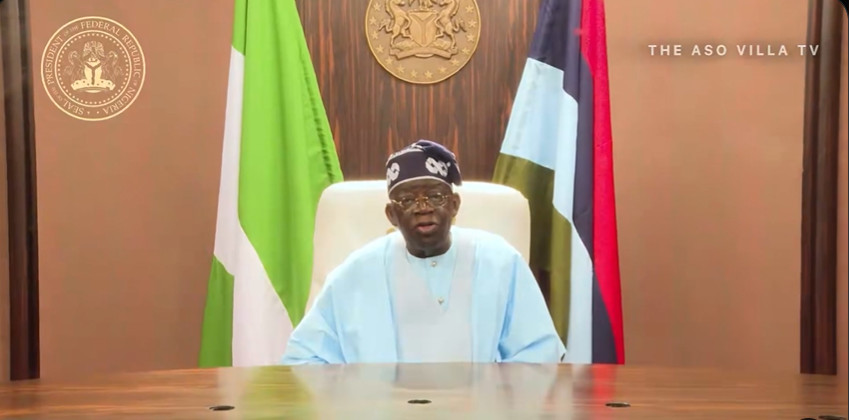
President Bola Tinubu has declared that Nigeria has moved beyond the difficult phase of economic reforms and entered what he called an “age of prosperity.”
Tinubu made the declaration on Thursday, October 1, during his Independence Day address marking Nigeria’s 66th anniversary.
The President used the speech to defend his administration’s economic reforms and outline its next priorities.
He said the government’s focus would now shift towards lowering living costs, creating jobs and expanding opportunities.
According to Tinubu, the reforms were necessary to correct economic weaknesses that had accumulated over decades.
Tinubu defends painful economic reforms
Tinubu acknowledged that the reforms had created hardship and disappointment for many Nigerians.
However, he argued that the measures confronted problems that previous governments had postponed.
He compared Nigeria’s economic situation to a patient diagnosed with cancer who must endure difficult treatment.
“For too long, Nigeria’s leaders chose morphine while praying for a miracle that never came,” Tinubu said.
He argued that returning to what he described as inefficient subsidies would undermine the progress made since 2023.
The President said Nigeria’s economy has grown by more than four per cent this year.
He also cited falling inflation, rebuilt foreign reserves and a more stable foreign exchange market.
Tinubu further said Nigeria recorded more than $6 billion in non-oil export revenue in 2025, describing it as the country’s highest figure.
These figures and the administration’s assessment of its reforms remain claims made by the President in the address.
Lower costs and more jobs become priority
Tinubu said the government’s next major task is to translate economic stability into better living conditions.
He said reducing the cost of producing and transporting goods would help bring down prices.
The government plans to expand mechanised irrigation, dry-season farming, storage and transportation infrastructure.
Tinubu also pointed to roads, railways and ports as part of efforts to connect farms and factories with markets.
He said the administration would place jobs, enterprise and industrial growth at the centre of its policies.
The President also promised greater use of Nigeria’s gas resources to support new industries.
He said the government would support factories, expand digital connectivity and develop skills required by employers.
“I want to see more Nigerians making things,” Tinubu said.
He also expressed his ambition for Nigerian businesses to sell more locally produced goods internationally.
Social support remains part of prosperity plan
Tinubu acknowledged that millions of Nigerians still struggle with food, school fees, medical bills and transportation costs.
He said those challenges were the result of problems that accumulated over several decades.
The President said the government was strengthening support for vulnerable households through the National Social Register.
He also highlighted the Nigerian Education Loan Fund as a way to expand access to higher education.
Tinubu cited CREDICORP’s consumer credit programme, which supports purchases such as vehicles, solar systems and digital devices.
He also promised continued investment in primary healthcare, basic education and essential public services.
The President said salaries and pensions had been paid on time since 2023.
He said pension reforms were also designed to benefit retirees and vulnerable Nigerians.
Tinubu concluded by telling Nigerians that the country had passed through its difficult reform period.
“The age of reform has done its work. Now begins the age of prosperity,” he said.
He called on Nigerians to look forward rather than return to the policies his administration says created longstanding economic distortions.
The President described his vision as a Nigeria where prosperity is broadly shared and children can build futures beyond the circumstances of their birth.


LOPE Calls for Unity, Peace, and Nation-Building amidst Nigeria’s 66th Independence Celebrations.
The League of Online Publishers and Editors (LOPE) has extended its Independence Day greetings to Nigerians across the country and in the diaspora, urging citizens to embrace greater unity, patriotism, and a shared commitment to building a stronger nation.
Nigeria gained independence from British colonial rule on October 1, 1960, and marks 66 years of independence today, October 1, 2026.
In a goodwill message marking this year’s Independence Day, LOPE described the occasion as an important moment for Nigerians to reflect on Nigeria’s journey, celebrate its achievements, and acknowledge the challenges that continue to shape the country’s development.
The Independence Day message, signed by LOPE Chairman, Favour Benson, commended the resilience, creativity, and contributions of Nigerians at home and in the diaspora, noting that the country’s strength and progress depend significantly on its citizens’ commitment and participation.
The LOPE Chairperson urged Nigerians to remain united and committed to building a peaceful, prosperous, and inclusive nation.
According to her, “Nigeria’s 66th Independence Anniversary is a significant milestone in our national journey.
“It is an opportunity to reflect on how far we have come, appreciate the resilience of our people, and renew our commitment to building a better Nigeria.
“Our diversity remains one of Nigeria’s greatest strengths regardless of our backgrounds, religion, or regions; therefore, we must continue to promote unity, peace, and tolerance.
“As we celebrate this year’s Independence Day, I encourage every Nigerian to contribute positively to the development of our country,” she noted.
On LOPE’s commitment to promoting professionalism, credibility, and responsibility in Nigeria’s evolving digital media space, Benson said online publishers and editors have an important role in providing credible information, strengthening public discourse, and contributing constructively to the nation’s development.
“The digital media space carries enormous influence and responsibility, and as online publishers and editors, we must continue to uphold the principles of responsible journalism, accuracy, professionalism, and public interest.
“LOPE remains committed to supporting a media environment where credible information can thrive and where digital journalism contributes positively to society,” Benson opined.
While extending its warmest wishes to Nigerians on Independence Day, LOPE called on stakeholders across Nigeria and the media to continue to work together to create opportunities for Nigerians and strengthen the country’s democratic and socio-economic institutions.
About LOPE
The League of Online Publishers and Editors (LOPE) is a national association of digital media professionals, publishers, and editors in Nigeria committed to promoting professionalism, responsible journalism, and the growth and development of Nigeria’s online media industry.

LOPE Celebrates Nigerian Teachers, Calls for Better Welfare and Support

Debit Card vs Credit Card: How to Choose the Right Card for Every Expense

Tinubu declears Nigeria has entered new era of prosperity

Independence Day: Favour Benson Reflects on Nigeria’s Journey, Hope for Tomorrow

As Nigeria Celebrates Independence, Akmodel MD Highlights Hope and Unity

LOPE Celebrates Nigeria at 66, Calls for Unity, Patriotism

Morocco names first female prime minister Fatima Ezzahra El Mansouri

FME Releases Final Approved Textbooks for 2026-2028

Fidelity Bank Strengthens Food Security Drive with Distribution of 2,500 Food Packs in Edo

EFCC Arrests Halimat Tejuosho Over Alleged N603.4m Fraud
-

 News4 months ago
Bldr. (Dr.) Abdulhakeem Odegade Of Akmodel Group Celebrates Workers
-

 News4 months ago
AKMODEL GROUPS Opens Ultra-modern Office, Launches Estate In Awka
-

 Press Release4 months ago
Union Bank Of Nigeria Plc Group Audited Financial Statements For The Year
-

 News4 months ago
Gas Flaring and its Environmental Impact: A Critical Look at IOCs’ Practices
-

 Press Release4 months ago
Wema Bank Plc. Reports Gross Earnings of ₦131.1 billion, up 42.3% y-o-y, declares dividend of 30kobo per share
-

 News4 months ago
Fidelity Bank wins Export Finance Bank of the Year award at 2023 BusinessDay BAFI Awards
-

 News4 months ago
Breaking News: Dramatic Rescue as Fire Engulfs Lekki Shanty
-

 Press Release4 months ago
GTCO Plc Releases 2023 Half Year Audited Results ……..Reports Profit Before Tax of ₦327.4billion